
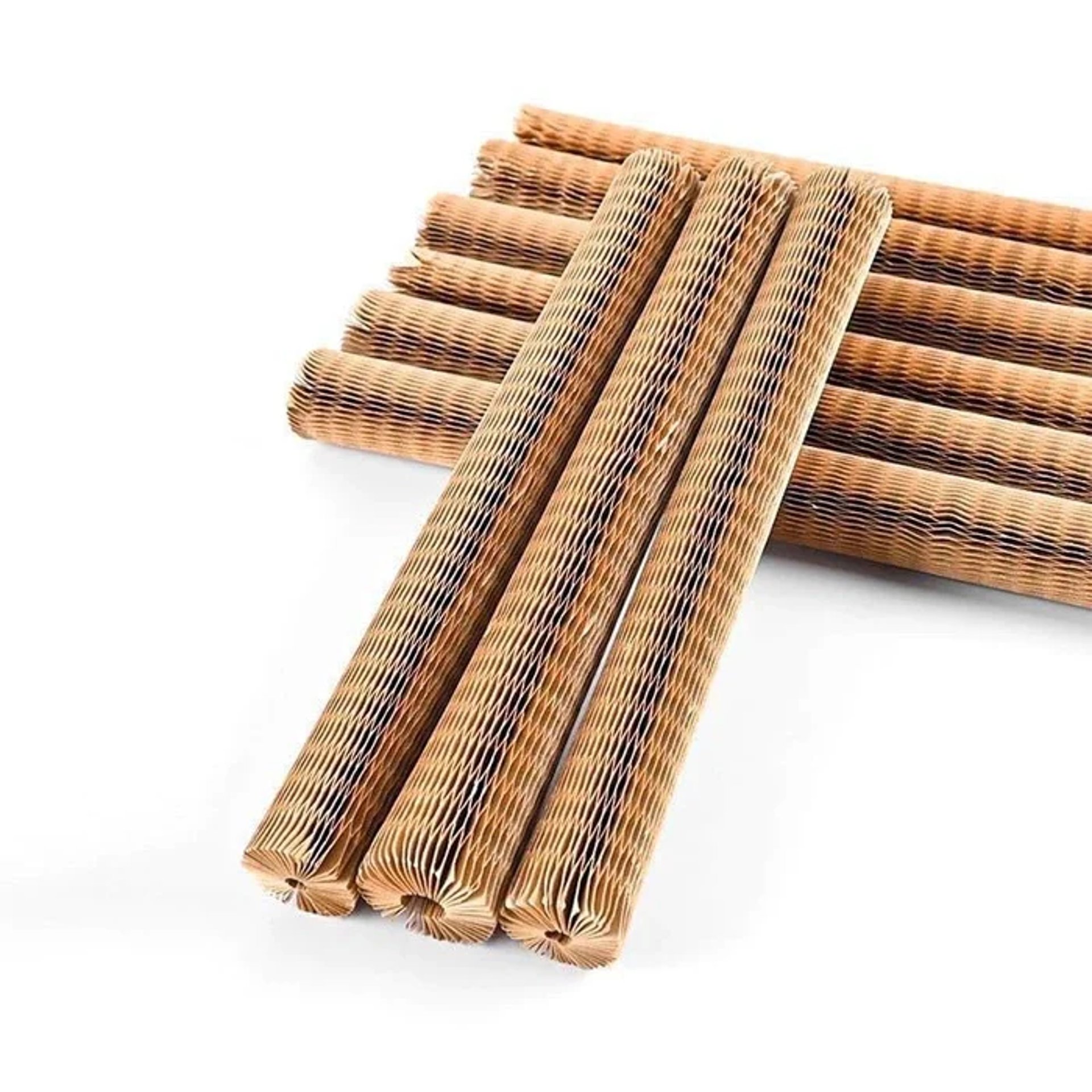
What Is Eco-Friendly and What Makes a Product Truly Eco-Friendly?
In recent years, the term eco-friendly has moved from being a niche concept to a mainstream expectation. Consumers, businesses, and governments are increasingly prioritizing sustainability—but what does eco-friendly actually mean? And more importantly, how can you identify whether a product is genuinely eco-friendly or simply marketed as such?
SUSTAINABLE PACKAGINGECO-FRIENDLY PACKAGING


What Does Eco-Friendly Mean?
Eco-friendly refers to products, materials, or practices that cause minimal harm to the environment across their entire life cycle—from raw material extraction to manufacturing, usage, and disposal.
An eco-friendly product is designed to:
Reduce pollution
Conserve natural resources
Lower carbon emissions
Support long-term environmental balance
In simple terms, eco-friendly means doing business and consumption responsibly, without damaging the planet for future generations.
What Makes a Product Eco-Friendly?
A product becomes truly eco-friendly when it satisfies multiple sustainability factors, not just one. Below are the key pillars.
1. Sustainable Raw Materials
Eco-friendly products are made from:
Renewable resources (paper, bamboo, jute, sugarcane bagasse)
Recycled or upcycled materials
Agricultural or industrial waste reused efficiently
They avoid:
Virgin plastics
Fossil-fuel-based raw materials
Finite or non-renewable resources
2. Environmentally Responsible Manufacturing
How a product is made matters as much as what it is made from.
Eco-friendly manufacturing involves:
Lower energy and water consumption
Reduced greenhouse gas emissions
Minimal industrial waste
Non-toxic chemicals and adhesives
A product cannot be called eco-friendly if its production process is highly polluting—even if the end product looks “green.”
3. Recyclable, Biodegradable, or Compostable
A genuine eco-friendly product must have a safe end-of-life.
Recyclable: Can be processed and reused
Biodegradable: Breaks down naturally without leaving toxins
Compostable: Converts into organic matter under composting conditions
Products that leave microplastics or toxic residue behind do not qualify as eco-friendly.
4. Safe for Humans and Nature
Eco-friendly products are:
Non-toxic
Food-safe (where applicable)
Free from harmful coatings, inks, or treatments
They should not contaminate soil, water, or air during usage or disposal.
5. Efficient Design and Resource Optimization
Sustainability is also about efficiency.
Eco-friendly products are often:
Lightweight yet strong
Designed to reduce excess material
Optimized for transportation to lower fuel emissions
A well-designed product reduces waste at every stage—manufacturing, logistics, and usage.
6. Responsible Disposal and Circular Economy Support
True eco-friendly products:
Do not remain in landfills for decades
Can return safely to nature or the recycling loop
Support circular economy principles rather than single-use systems
The goal is not just less waste—but no waste.
Beware of Greenwashing
Not every product labeled “green” or “eco” is truly sustainable.
Common red flags include:
No clarity on material composition
Vague terms like “environment-safe” without proof
Products that are recyclable only in theory, not in real infrastructure
Plastic products marketed as “eco” due to reuse alone
Always look beyond marketing claims and assess the full life cycle.
Why Eco-Friendly Products Matter Today
Environmental challenges such as climate change, pollution, and resource depletion are no longer future problems—they are present realities. Choosing eco-friendly products helps:
Reduce carbon footprint
Protect ecosystems
Promote responsible industrial practices
Build a sustainable economy
Every conscious choice—whether by a consumer or a business—creates cumulative impact.
In Conclusion
An eco-friendly product is not defined by appearance or claims. It is defined by responsibility at every stage—from sourcing and manufacturing to usage and disposal.
Eco-friendly means meeting today’s needs without compromising tomorrow’s world.
If you would like, this blog can be adapted specifically for eco-friendly packaging, food disposables, or industrial applications to align with your audience or business goals.

Connect
Follow us for updates:
Follow
Subscribe
Mail : info@brtradex.com
Call +91-9560253636
©BRTRADEX 2025. All rights reserved.
rEFUND pOLICY